


A sustainable waste improvement programme has helped Doncaster and Bassetlaw Teaching Hospitals (DBTH) NHS Foundation Trust reduce its clinical waste, saving money on treatment and the impact on the environment.
The path to net zero
The NHS has committed to becoming the world’s first net zero national health service. According to a recent progress report, it currently accounts for 4-5% of the UK’s carbon emissions, from clinical activity, estates, transport and supply chains.
To combat this, NHS Trusts are looking for ways to dispose of waste safely, efficiently and more sustainably.
Tackling clinical waste
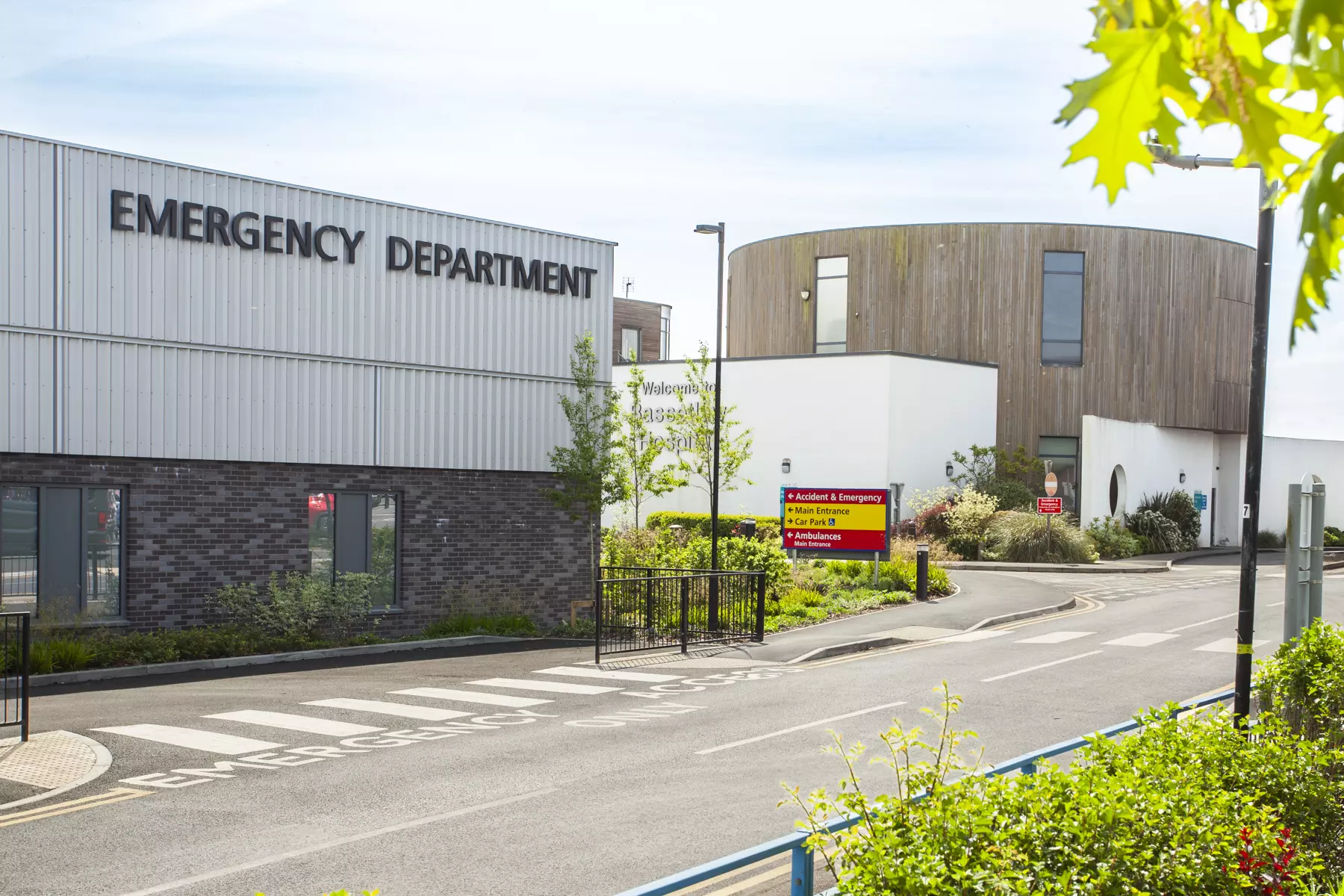
DBTH NHS Foundation Trust serves over 420,000 people across South Yorkshire and North Nottinghamshire.
To support NHS net zero targets, the Trust updated its Green Plan in 2025, making sustainability part of its clinical and operational work.
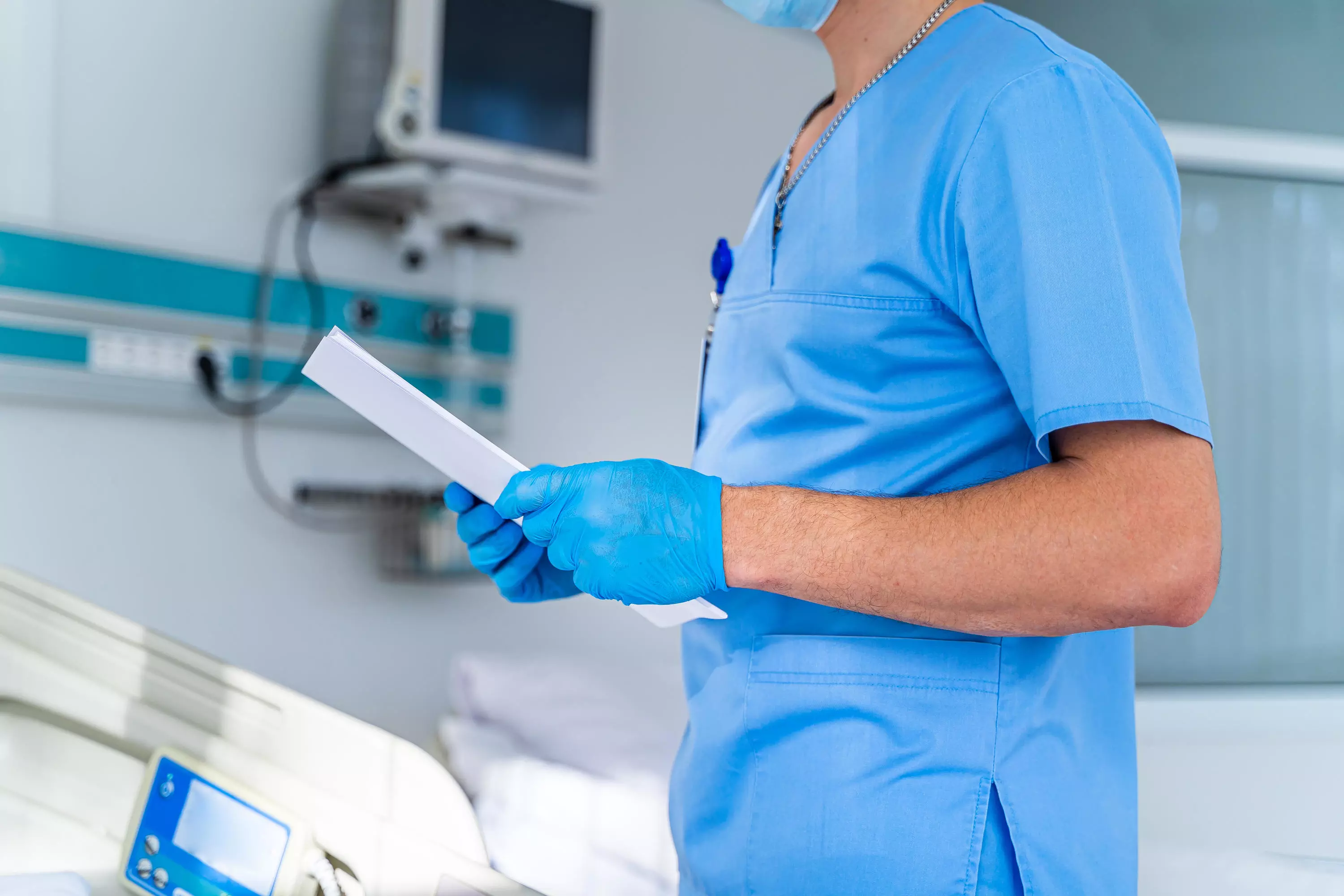
One of the main areas for improvement was its clinical waste disposal.
Each year, NHS providers produce an estimated 156,000 tonnes of clinical waste, including bagged waste and sharps. Around 40% is hazardous or infectious, and requires specialised treatment that is costly and has a high environmental impact.
Working with the Trust’s Sustainability Group, we proposed several solutions, including a digital dashboard.
Tracking in real time
In collaboration with the Trust’s Waste and Sustainability Manager, we developed a bespoke dashboard to give the Trust near real-time data on clinical waste streams, treatment routes, costs and performance across all sites.
The dashboard helps the Trust to:
1. Monitor and verify waste data in real time, making invoice checks straightforward and transparent.
2. Spot trends and anomalies for proactive action.
3. Optimise clinical and pharmaceutical waste streams using data insights.
4. Track carbon emissions against decarbonisation goals.
5. Review contract performance and identify improvement opportunities.
This dashboard is a unique offering in clinical waste management and is supported by our innovative technology at our Energy Recovery Facility in Sheffield, which allows for the direct feeding of infectious materials into the furnace, keeping it separate from other waste streams, closing the loop on an all-in-one solution from waste monitoring to management and eliminating the need for third parties.
A shared commitment leading to results
The implementation of new technology is backed by the Trust’s Sustainability Group and their commitment to sustainability across its hospitals through its Waste Education Programme.
The group carries out ward visits, theatre huddles and site walkarounds.
Staff have adopted new waste management processes due to the expansion of offensive waste collections, diversion of more pharmaceutical waste and implementation of Simpler Recycling.
All of this has contributed to the positive results the Trust has been able to track in real time.
Improved segregation with a 30% reduction in orange bag waste and a 36% increase in offensive waste
Improved Clinical Waste Profile* - from 5:39:56 in 2024/25 to 5:25:70 in 2025/26*
35% increase in recycling rate at Montagu Hospital
£6,000 cost saving through new waste segregation model
*Clinical Waste Profile - Clinical waste is classified based on its dangerous characteristics and the procedures for its treatment and disposal. NHS providers are encouraged to achieve the new clinical waste segregation benchmark targets of 20:20:60. This means: 20% HTI (High Temperature Incineration); 20% AT (Alternative Treatment); and 60% OW (Offensive Waste) - reducing the amount of waste required to go for High Temperature Incineration.
”Working with the Veolia team has been instrumental in delivering the Trust's waste improvement programme. Their collaborative approach, operational expertise and willingness to develop practical solutions have supported the successful implementation of several initiatives, including clinical waste optimisation, pharmaceutical waste diversion and the development of a real-time clinical waste dashboard. All of this has contributed to more than 300 tCO₂e of measurable and verified carbon savings across the Trust.
“Veolia’s support through regular contract meetings, responsive operational advice and improved performance reporting has helped us identify opportunities, monitor progress and make informed decisions. They have been a genuine partner in delivering measurable improvements in waste segregation, recycling performance, carbon reduction and contract management.”
Adeola Bayode, Facilities Waste and Sustainability Manager at Doncaster and Bassetlaw Teaching Hospitals NHS Foundation Trust
“We’re proud of the Trust's success and the impact of our shared digital solution. The dashboard gives them real-time clinical waste data, enabling smarter, faster decisions.
We’re committed to helping more NHS Trusts manage waste and hazardous materials effectively, saving carbon and freeing resources so they can focus on patient care.”
David Foster, Sales and Commercial Manager for Hazardous Waste at Veolia UK
Do you need support with waste segregation?
Find out how we can help you set up an effective waste programme and support your reporting. Speak to one of our experts today.