


Many businesses are continuing to face a complex operating environment.
Against a backdrop of existing economic pressures, the 7th May local election results and subsequent political developments may have introduced further worries and concerns for how your business will operate.
Our team experts here at Veolia have been closely monitoring these developments and are ready to help you navigate any resulting impacts on waste, energy, water, and circular economy services.
Local Elections
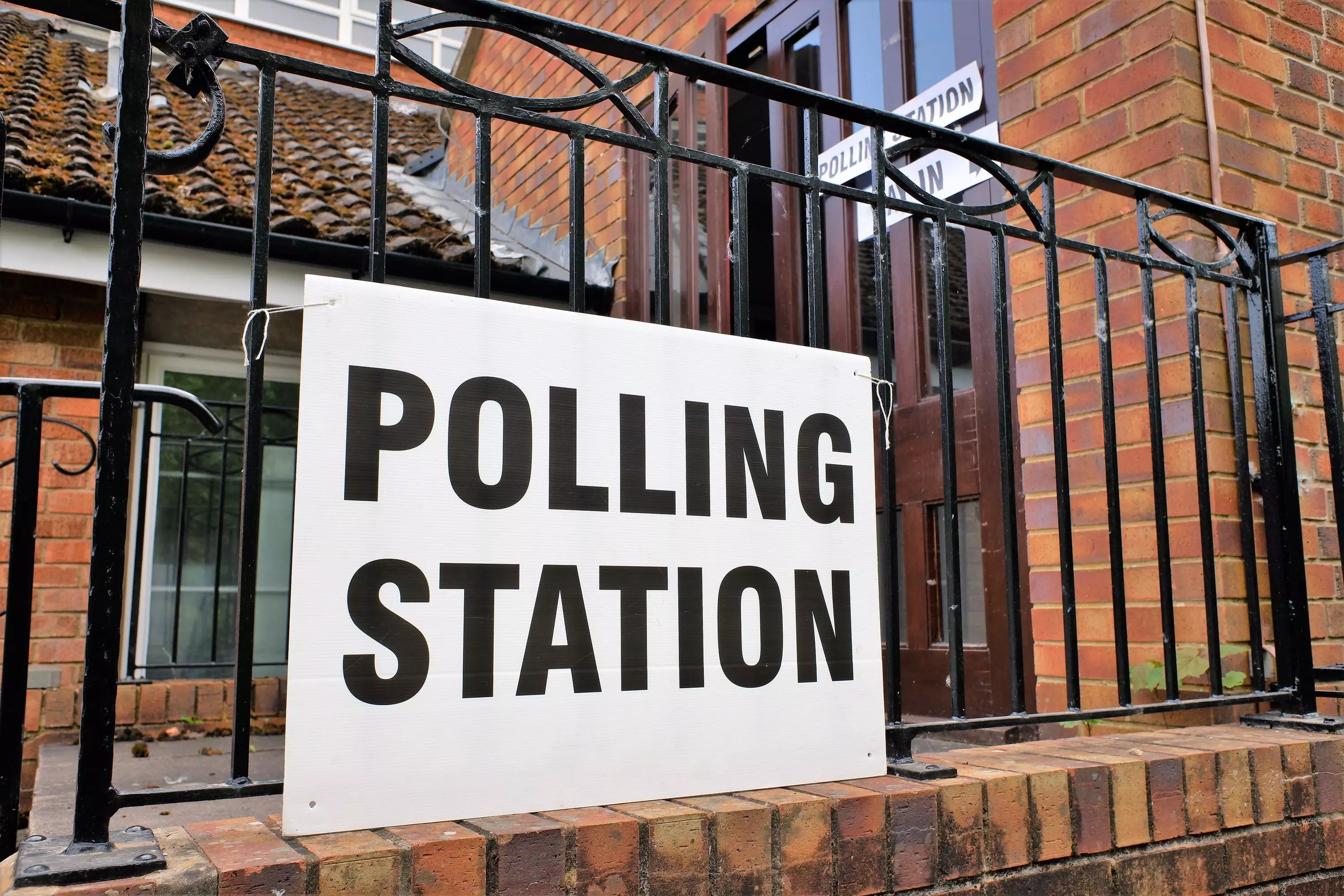
The local elections confirmed a clear shift away from traditional two-party politics. Reform UK made substantial gains, the Greens also strengthened their position, while Labour experienced significant losses in many areas.
This has led to more fragmented councils and shows a clear sentiment from the public that the government's agenda is not supported.
These results have increased the pressure on Prime Minister Keir Starmer, with calls for a leadership change from within his own party.
Although a leadership challenge would create short-term uncertainty, we expect policy continuity on key areas such as the green transition and environmental services.
Practical implications
No Overall Control (NOC) councils might lead to slower decision-making as a result of the need for more negotiation between parties. This could affect local planning approvals, or environmental projects.
National political outlook
Labour’s losses triggered ministerial resignations and demands for Starmer to set out a resignation timetable.
A leadership contest looks likely, with names such as Wes Streeting and Angela Rayner in the mix. Andy Burnham will be hoping to win the Mackerfield by-election on the 18th June, making him an MP and allowing him to compete in any leadership contest.
Importantly:
- Any new leader would not be required to call a General Election before August 2029.
- An early election risk remains low in the short term.
- Likely successors hold broadly similar positions on environmental and net-zero priorities.
As alternative candidates do not offer materially different policy or political positions, we expect this means that the direction of travel on major policy agendas such as for the circular economy, water reform, and energy transition, is expected to remain consistent.
However, the political uncertainty has contributed to market volatility. Following the local election results;
- 30-year bond yields hit 5.80% (highest since 1998).
- 10-year bond yields reached 5.80% (levels not seen since 2008).
- Inflation rose by 2.8% in the year to April (above BoE 2% target and higher than many European peers) and is expected to increase.
Fragmented councils may slow some local waste strategies, but national direction on Simpler Recycling, Extended Producer Responsibility, and Digital Waste Tracking remains unchanged.
Similarly, the government's focus for implementing the regulatory framework for heat networks, regional energy planning, and closer EU cooperation remains the same.
King's Speech 2026
Recently the King delivered his speech to formally open the next parliamentary session. The intent of the speech is to outline the government's legislative agenda. It was focused on strengthening economic, energy, and national security while addressing our growth barriers.
The speech made an emphasis on the role of a more active state in partnership with businesses, to raise living standards, infrastructure development and energy costs.
Key themes include energy independence to reduce exposure to volatile global markets, infrastructure renewal, competition and regulatory reform, and targeted investments in housing and water.
Electricity Generator Levy Bill
The Electricity Generator Levy (EGL) tax on low-carbon electricity generators is increasing from 45% to 55% starting 1st July 2026. This aims to capture windfall profits to support households/businesses with cost-of-living pressures and encourage greater use of Contracts for Difference (CfD) for stable pricing.
Energy Independence Bill
Framework to expedite clean power transition. New rules mandate landlord investment in home upgrades and establish the Warm Homes Agency to deliver the £15 billion Warm Homes Plan. Planning reforms will ease renewables deployment, removing export charges and fast-tracking grid infrastructure build-out (e.g., land access rules).
Competition Reform Bill
Aims to reduce regulatory burdens, promote innovation, and reform competition rules for growth and fair markets. It will strengthen enforcement against anti-competitive practices and modernise competition policy for sectors like utilities, with quicker market reviews and greater clarity/flexibility in merger reviews.
Clean Water Bill
New legislation will overhaul water industry regulation to tackle pollution, improve infrastructure, and end operator self-monitoring. A new water ombudsman will improve customer protection, aiding with bills and value. Smart metering will be mandated to boost water efficiency and leak detection. The reforms will merge Ofwat, the Drinking Water Inspectorate, the Environment Agency, and Natural England into a new, independent, and integrated regulator. This body will have stronger enforcement powers to ensure world-leading drinking water standards and tackle pollution at the source, keeping environmental standards current.
The Chancellor's economic response
On 21st May, the Chancellor, Rachel Reeves, set out a number of measures aimed at providing relief to families and businesses in the face of the ongoing war in Iran.
- Industrial: £350m Critical Chemicals Resilience Fund and £120m Ceramics package to protect key sectors from rising energy costs, focusing on supply chains, energy efficiency, and decarbonisation.
- Transport: Extended 5p fuel duty cut, a 12-month road tax holiday (£1 renewal) for HGVs, and a significant fuel duty cut for red diesel users (farmers, rail freight).
- Regulation & Tax: New powers for the Competition and Markets Authority (CMA) to target 'price gouging' (including naming and shaming firms). Measures to tighten corporate tax regulations, likely affecting Oil and Gas producers subject to the 38% windfall levy.

What's next?
At Veolia, we seek to find the opportunities from political change, making it feel like a seamless part of the support we can still offer to customers.
Our teams will continue to actively monitor coalition formations in key councils and maintain strong relationships across central government departments and local authorities, regardless of who holds the seats.
We will continue to:
- Advocate for practical, business-friendly approaches to waste, energy, and water challenges.
- Support you directly with solutions that improve resilience, costs, and enhance environmental performance.
Find out more
Our priority is ensuring you have the insight and support needed to thrive. If you have questions about how these political developments might affect your specific services, contracts, or sustainability goals, please get in touch.