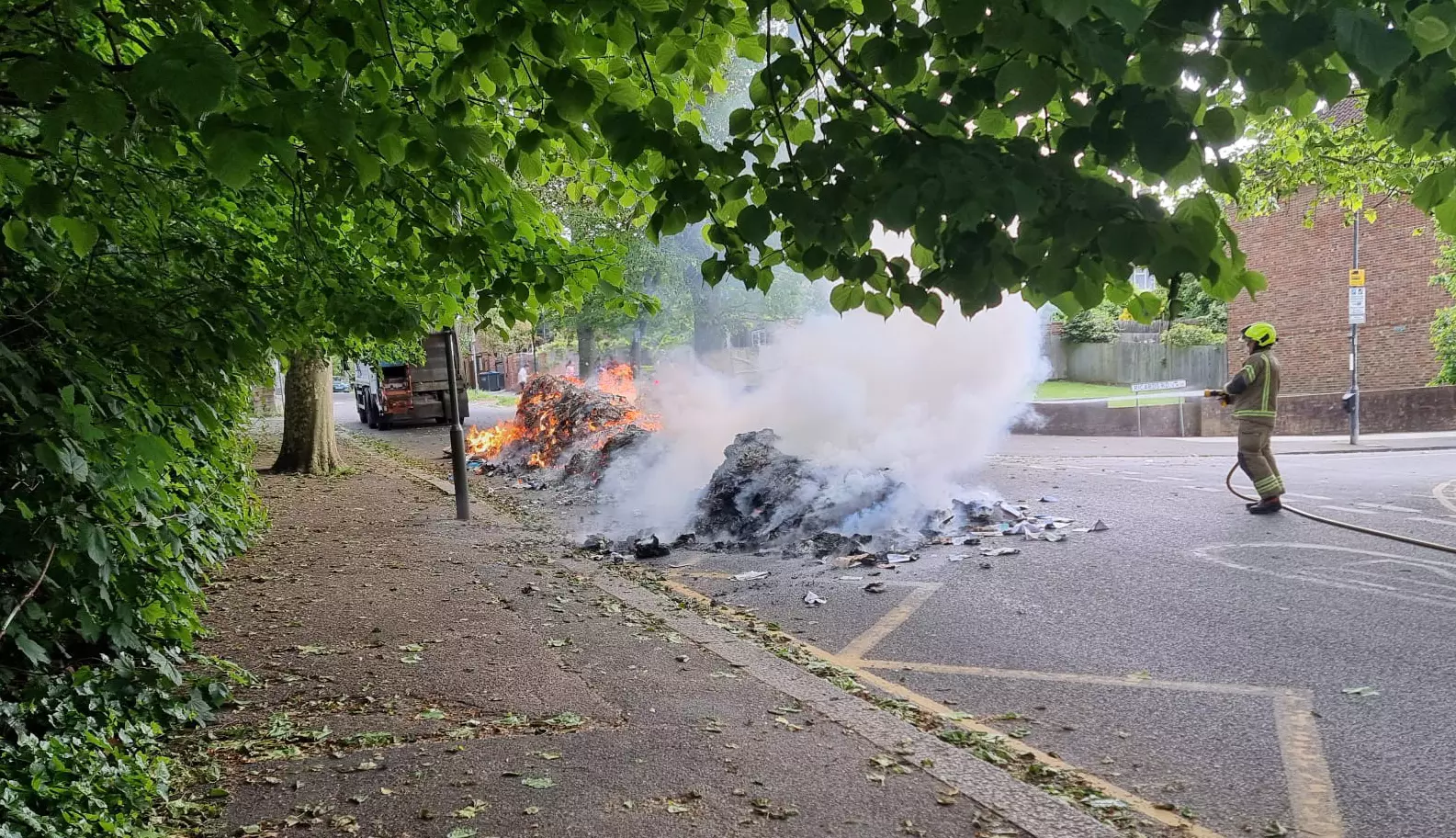
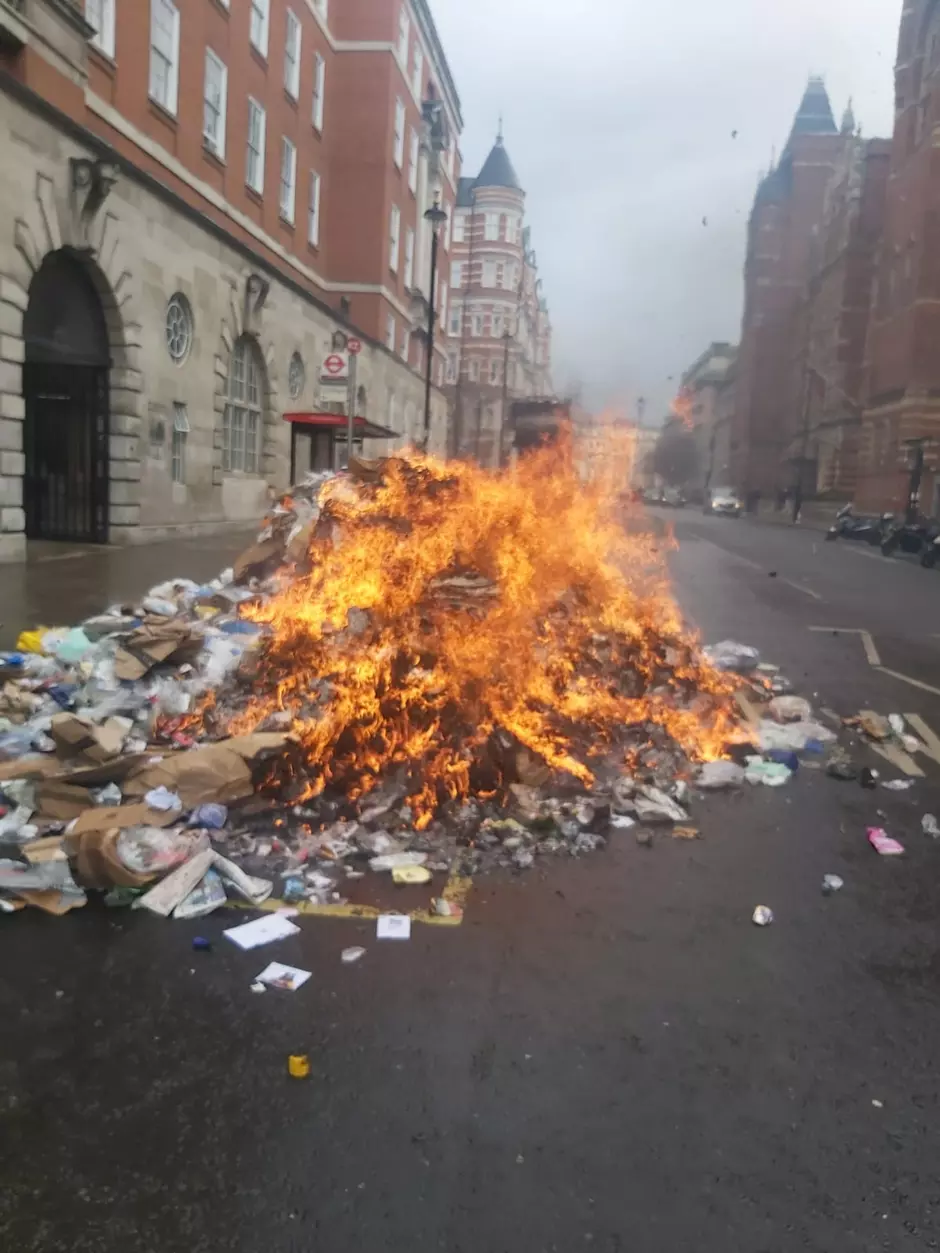
Every single day, a fire ignites at one of our facilities or inside one of our vehicles in the UK. Not once a week. Not occasionally. Every day.
In 2024 alone, we recorded 238 facility fires and 116 vehicle fires in the UK. These aren't abstract statistics. They represent real dangers to the frontline workers collecting and treating the nation's waste, millions in infrastructure damage, and escalating insurance costs threatening the viability of essential recycling services.
The culprit? Increasingly, it’s lithium-ion batteries from e-bikes, vapes and portable electronics, improperly disposed of in general waste streams. When damaged, crushed or exposed to heat during collection and processing, these batteries enter “thermal runaway”, a chain reaction causing intense fires that are extremely difficult to extinguish. Pressurised nitrous oxide canisters create additional explosion risks, putting collection crews and facility workers at severe risk of injury.
Yet within this crisis lies extraordinary opportunity. The 450,000 tonnes of Waste Electrical and Electronic Equipment (WEEE) entering residual waste streams annually contains lithium, cobalt, nickel and rare earth elements, the very critical minerals essential for electric vehicles, renewable energy storage and modern technologies. The literal building blocks of the green transition are being thrown away whilst simultaneously endangering lives and destroying infrastructure.
The UK's Producer Responsibility system, operational since 2006, achieves only 57% recycling rates. Meanwhile, global demand for critical minerals surges, driven by corporate ESG commitments and national security concerns. By 2040, Britain will require 6-10 gigafactories (large-scale factories that produce rechargeable batteries), potentially creating 270,000 jobs, whilst 350,000 tonnes of end-of-life EV batteries will need processing.
Veolia's Recommended Action for Change
As European Commission President Ursula von der Leyen notes: "To make the clean transition happen, companies not only need the resources such as critical minerals, but also regulatory certainty."
As the UK's leading waste management company, Veolia is at the forefront of addressing critical challenges in electronic waste management and battery recycling. However, systemic transformation requires bold policy intervention.
Below we’ve set out the viable routes that the government can take to support the industry but we all have a role to play in tackling the nation’s battery crisis and there’s one key thing we can all do today to help keep everyone safe.
Dispose of batteries, WEEE and vapes correctly.
We understand that there is no 'one size fits all' approach to safe and compliant waste management so we can tailor our solutions to suit the needs of your business or organisation. For example, we offer a variety of containers to provide on-site storage solutions for take-back items, along with individual services such as portable battery compliance.
Speak to your account manager about the right recycling routes for your business or reach out to our dedicated teams via the below links to help us stem the flow of batteries and WEEE entering our waste streams:
Now that we’ve all done our part, here’s what the government can do to protect frontline workers, encourage an investable market and position the UK as a circular economy leader.
1. Mandatory Producer/Import Levy
Introduce a weight-based levy on battery producers and importers, funding accredited recyclers through rebates. This polluter-pays model, proven in other countries, would drive domestic infrastructure investment and retention of critical minerals in UK supply chains.
2. Minimum Recycled Content Requirements
Align with EU battery standards, mandating recycled content for critical minerals in EV and industrial batteries, escalating over time. This would create guaranteed markets for recovered materials, encouraging investment and attracting gigafactory development.
3. Enhanced Compliance and Enforcement
In the short term, we must strengthen the obligations on Retailers to actively promote takeback schemes, with an increased focus on addressing non-compliance and greater action where items are disposed of illegally or unsafely.
4. Mandatory Kerbside Collection
In the longer term, it is clear that nationwide kerbside collections of small WEEE and domestic batteries, funded by producers, importers and polluters, is what’s needed to transform recycling rates, by making responsible disposal convenient for every household.
At Veolia, we support the necessary transition to collections, but they must be managed carefully to allow the industry time to develop safe and effective collection and sorting processes and would recommend on-demand or dedicated collections as the best way forward.
5. Safety Standards for High-Risk Items
Given the volatility of these materials, we must mandate safety certifications for e-mobility devices with clear fire risk and disposal labelling whilst strengthening import standards to prevent substandard electrical goods, particularly lithium-ion batteries and chargers from third-party sellers from overseas, from entering the UK market.
Further limiting nitrous oxide sales to licensed distributors, and banning the sale of flavoured gasses would help mitigate the growing risks from these similarly dangerous items.