


Waste decisions are made before waste is managed
In a lot of manufacturing environments, waste management begins at the point of removal, when materials are collected, reported on and sent for treatment or disposal. By that stage, however, the most important decisions about that waste have already been made.
They happen earlier, at the point of generation.
How materials are handled on the manufacturing floor; how they are stored, used and segregated, ultimately determines cost, compliance and outcome. Yet waste strategies are still largely structured around what happens after waste is created, rather than how it is created in the first place.
The biggest opportunity sits upstream
According to WRAP, UK businesses could unlock up to £23 billion annually through improved resource efficiency, much of which sits upstream in reducing waste and improving how materials are handled before they enter the waste stream.
In practice, though, visibility at this stage is often limited. Waste is measured once it has been collected. Performance is reviewed after reports are produced. Issues are identified retrospectively, rather than addressed in real time.
Segregation is decided at the point of use
Segregation is one of the most significant drivers of both cost and environmental performance. Poor segregation increases disposal costs, reduces recycling potential and can introduce compliance risk, particularly in regulated sectors such as pharmaceuticals and chemicals. But segregation does not happen at the point of collection. It happens at the point of use.
Once materials have been mixed or incorrectly handled, the opportunity to improve outcomes has already been lost.
The same pattern applies more broadly. Waste volumes are often treated as fixed outputs of production, when in reality they are shaped by day-to-day operational decisions. Without visibility at this level, waste becomes something that is managed after the fact, rather than actively controlled.
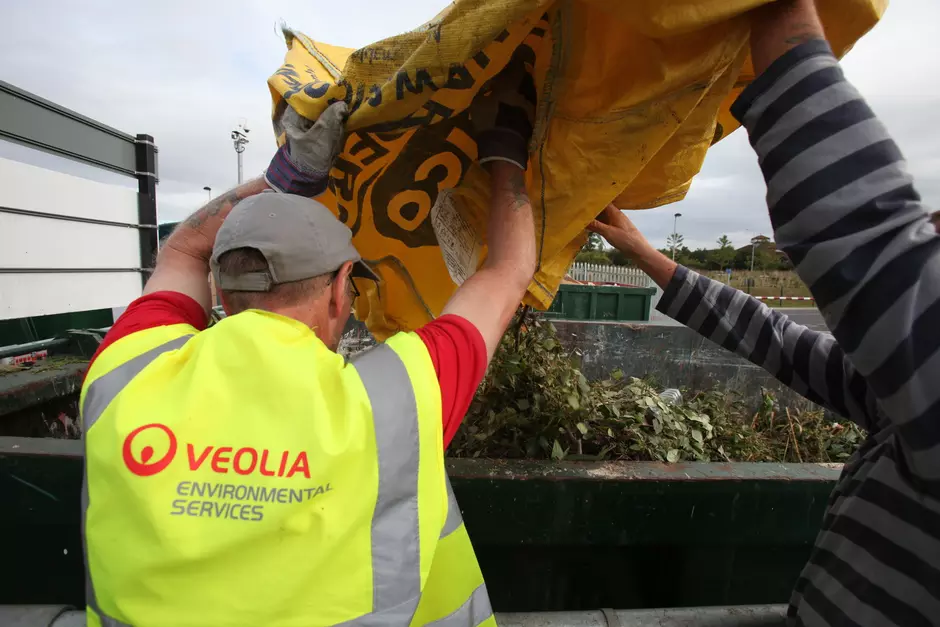
Effective waste management is no longer defined solely by compliant collection and disposal.
Increasingly, it is defined by how well waste is understood and controlled at source. Because by the time waste is removed, its trajectory has already been set.
Interested in taking a more joined-up approach to your waste?
Total Waste Management helps simplify operations, cut hidden costs, and create value across your entire waste stream.