What 2026 looks like for Energy, Water and Waste sectors
We know that 2025 has been a particularly challenging year for so many businesses. Rising energy costs, persistent high inflation and additional tax rises from the government have hampered potential growth across our markets. 2026 will bring more risks to your business. As a key partner, Veolia has the solutions to find the opportunities for you.
Recycling & Waste
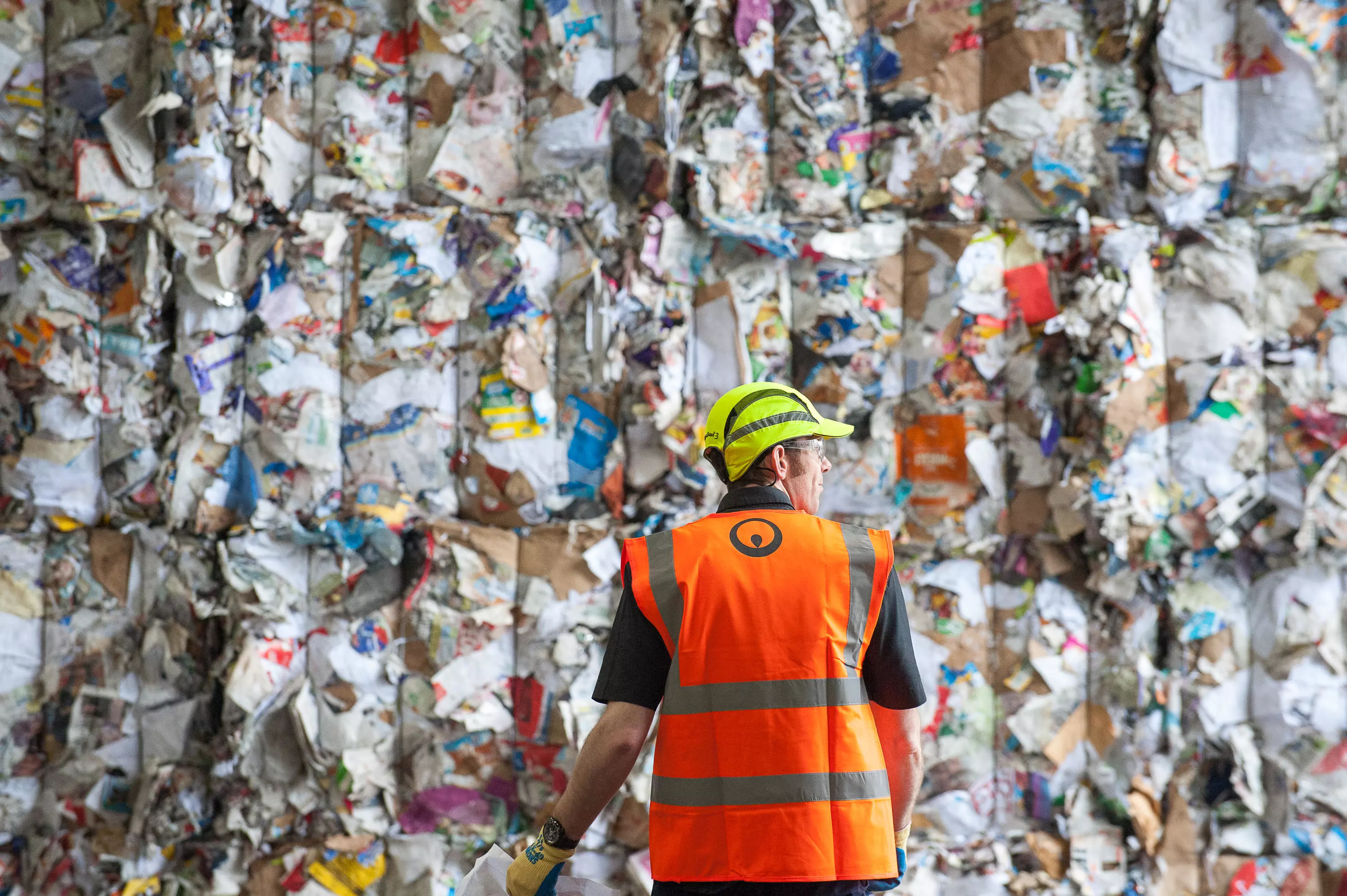
- The start of this year saw the beginning of the voluntary Monitoring, Reporting and Verification for waste in the UK Emissions Trading Scheme (ETS). Several of our Veolia sites are now actively engaged with the Environment Agency and our customers to get the most out of the process. But two things remain essential for the government to confirm in 2026: the exclusion of clinical waste and the deferral of the waste sector's full inclusion into the ETS beyond 2028.
- Circular Economy Growth Strategy can also be expected in 2026. The Taskforce, established in 2024, set out to develop a framework for the country's transition to a true circular economy. We’ve been closely supporting the development of the agenda across several of the five priority areas (Textiles, Transport, Construction, Agri-food, Chemicals and Plastics). We can expect the plan to highlight some of the policy choices ahead to achieve environmental targets.
- Although well underway, Simpler Recycling is still bringing changes for many of our customers. By 31 March 2026, Local Authorities will be required to collect all six recyclable waste streams, excluding plastic film, from all municipal households in England.

Energy
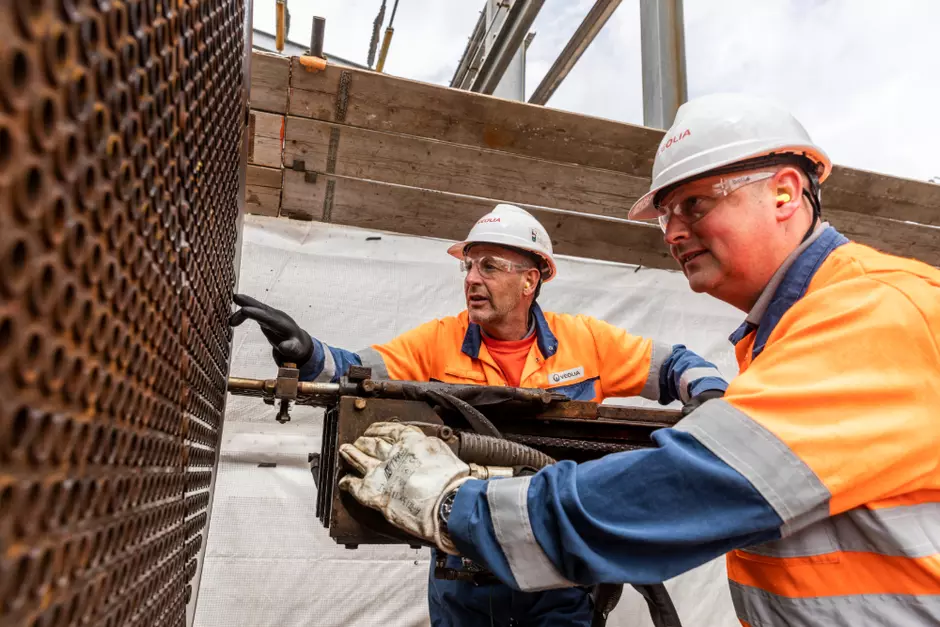
- Heat Network Regulations begin on January 26th, with Ofgem taking on the role as regulator. From this date, those using heat networks will benefit from improved standards, transparent pricing and stronger consumer protections. As a leader in district heating, we’ve been drawing on our experience of operating efficient, low-carbon networks to support local authorities, businesses and consumers to reach net zero.
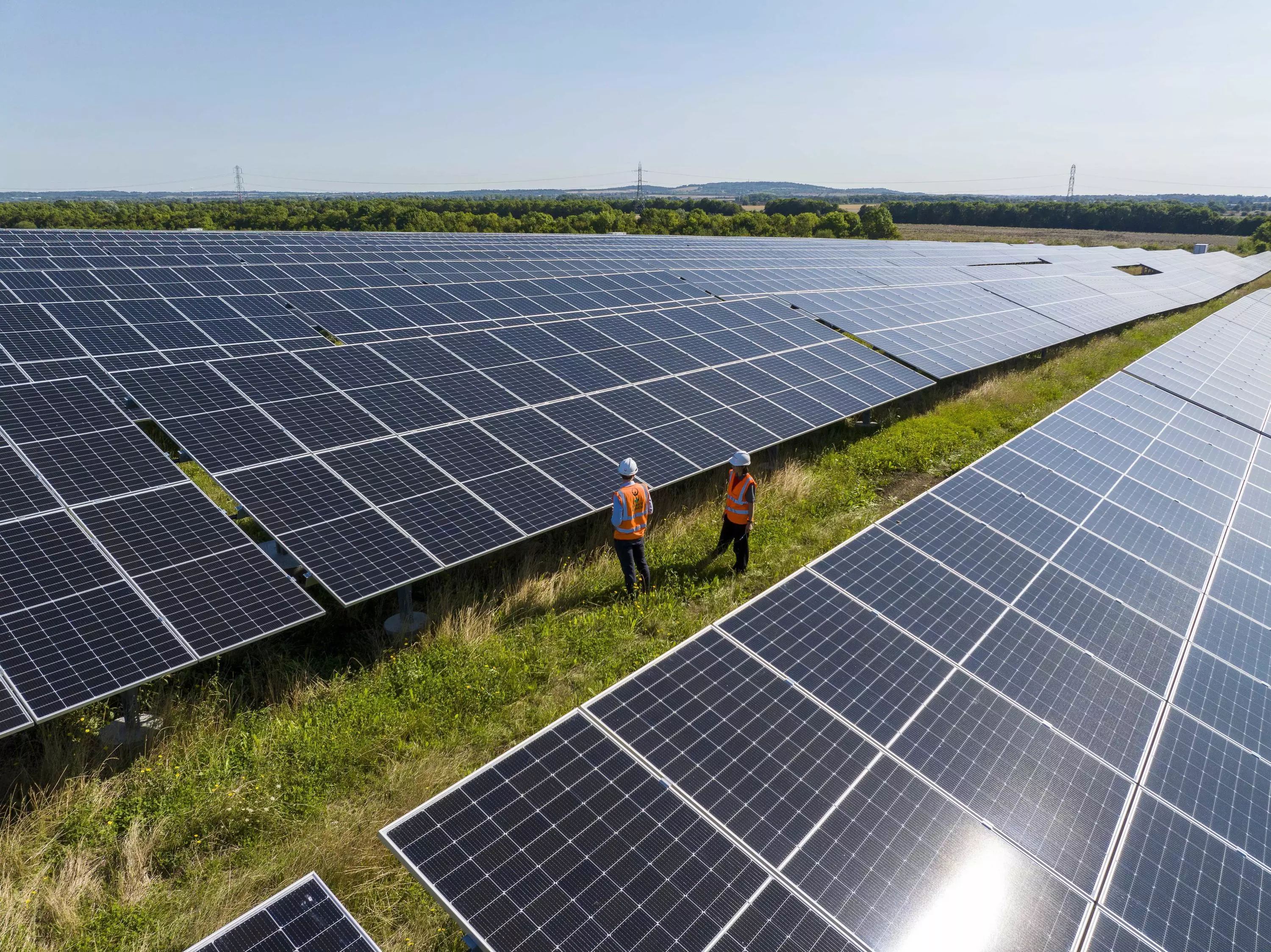
- Following the Review of Electricity Markets, the government decided not to proceed with the model of locational pricing (splitting the UK into different pricing zones). Instead, much more emphasis will now be placed on both the Strategic Spatial Energy Plan and the Regional Energy Strategic Planning. These plans aim to identify optimal locations for electricity generation, storage and infrastructure, while coordinating regional needs to accelerate the transition to clean power.
- Labour are seeking closer relations with the European Union in particular. A key area for consideration is UK-EU cooperation on energy, where the current agreement ends in June this year. Neither market is flourishing, so negotiations will be tough, though it may be an area where the UK, again, takes a lesser deal to form alignment.
Water
- The long-awaited Water Reform White Paper is now expected this year too, providing the government’s detailed response to the recommendations of the Independent Water Commission (Cunliffe Review). This should outline a roadmap-style plan for fundamental changes to improve investment, governance, environmental performance and public trust in the sector, following PR24. Utilising our expertise, Veolia has been contributing to the plan to shape practical, sustainable outcomes.
- The potential super drought and regulatory response - at a regional level, water companies are already looking at charging trials for the largest water users to try to curb demand and increase efficiency, while Ofwat continues to review large-user tariffs nationally, and the EA clamps down on abstraction licences.

Gavin Graveson, CEO Veolia UK & Ireland said: "This was a missed opportunity for the Government to unlock investment in the UK’s circular economy and deliver green growth, jobs and infrastructure.
It is extremely disappointing that the Government has neglected to make any meaningful increase to the Plastic Packaging Tax (PPT), something the industry has made repeated requests for. By not increasing the PPT to £500p/t with a 50% mandatory recycled content threshold, the Government is seriously risking the investment needed for crucial domestic recycling infrastructure, providing green growth and green jobs.
We welcome the clarity that the Landfill Tax will remain as two separate rates, and that the Government has listened to industry concerns, but this alone will not solve the billion pound scourge of waste crime in this country. While sense over the rates has prevailed, we need a realistic plan to urgently tackle organised gangs undermining the legitimate operators.
It’s clear for all to see that the circular economy has a key role to play in driving growth in this country and there are further steps the Government could now take to accelerate this crucial industry.”
Other Potential Impacts For Your Business
Digital Waste Tracking - Planned for October 2026, the movement of waste will begin a phase of digital tracking, hopefully eliminating some waste crime. Although it’s been delayed before, and may be delayed again, it’s best to be prepared in advance.
Waste Reform Consultations - As we have raised, Local Authorities have a fantastic opportunity, and a responsibility, to direct the funding resulting from Extended Producer Responsibility Fees, into circular economy directives. Expected in the coming months, the government will consult on the packaging Extended Producer Responsibility framework to measure how local authorities are using pEPR fees.
The government has also listened to our concerns on Packaging Recovery Notes, an area of waste policy in need of updating. Following last year's Budget, we know that the mechanism will be reviewed, which we are already engaging with officials on.
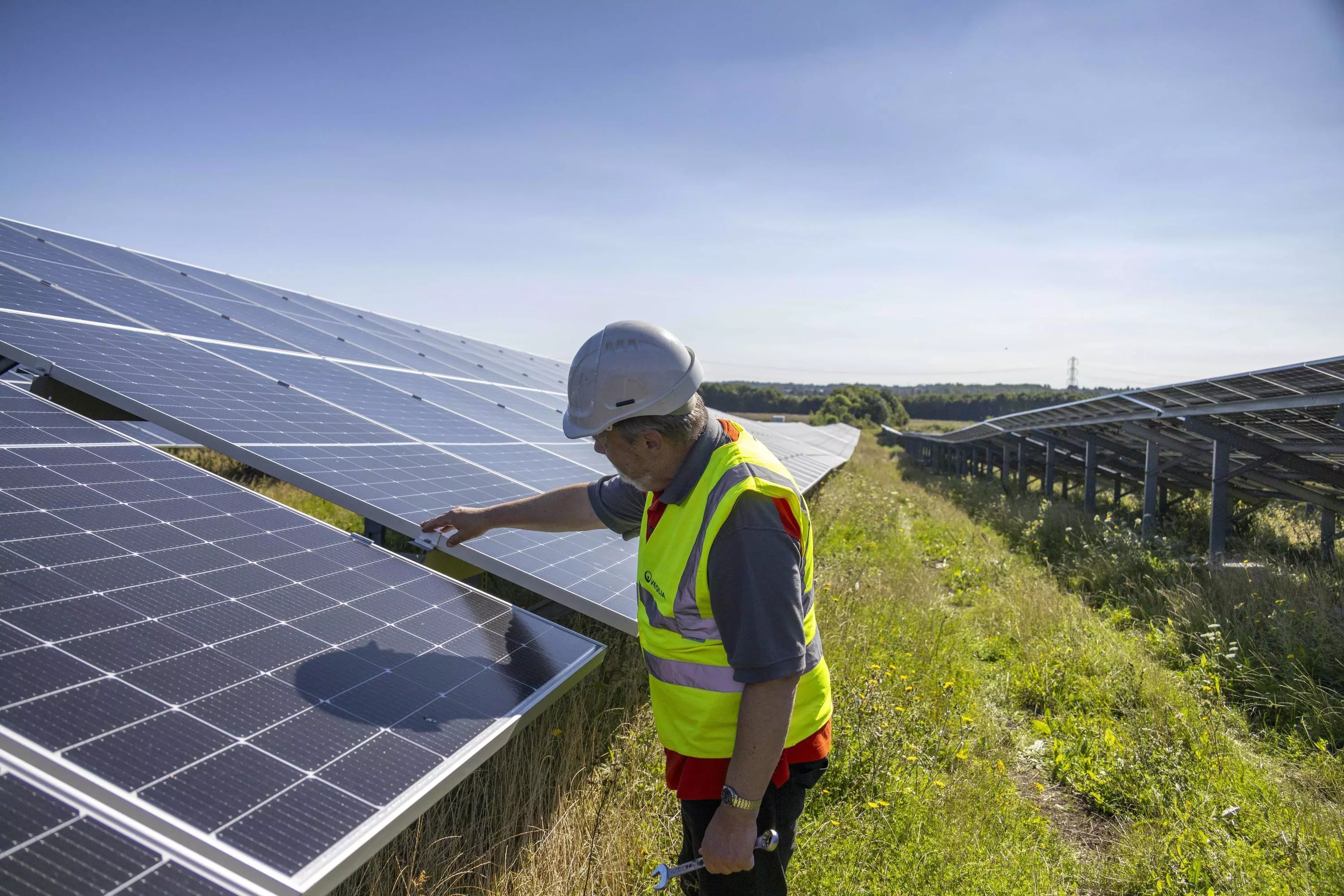
Renewables Obligation - The use of the Retail Price Index (RPI) as a tool is slowly phasing out of use. This has many repercussions. One such challenge this presents is for subsidy mechanisms such as the Renewables Obligation.
The government is proposing that from April 2026, the indexation will change from the RPI to the Consumer Price Index (CPI). The CPI measure returns a lower rate than RPI, presenting a financial shortfall for assets in receipt of the Renewables Obligation.
Plan for PFAS - The government had announced last year that they will produce a ‘Plan for PFAS’ in 2026, having originally committed to a standalone Chemical Strategy (scrapped earlier this year) in the previous edition of the EIP.
Although this plan will be key for many industries, we expect this to be a politically charged publication, given the interest from environmental pressure groups and the public.
Energy Bills - As we saw in the Autumn Budget in November, Labour remain keen to shift more costs away from consumer bills, following their election promise to voters to save £300. Although we’re yet to see policies that will reduce the cost of energy, we may see more tinkering this year with how bills are charged and to whom, in order for some consumers to see a lower bill.
What's Next?
Green policy isn’t a zero-sum game. There are growth opportunities across the vital water, waste and energy sectors - if the right policy frameworks are in place. At Veolia, we will be playing a key role in supporting the development of the breadth of issues discussed in this note by sharing our knowledge and expertise directly with policymakers to lobby for change that will shape a greener future.
Throughout all this, we will provide our customers with regular updates and, most importantly, listen to you to ensure your voice is heard and that our actions help your business and the environment thrive in this evolving, often complex landscape.
Change can be difficult to manage, so whether this is unknown territory or you are looking to improve your understanding, please do not hesitate to reach out to your account manager or contact us directly here.